
The Barrier-Free Myth
What Most Canadian Businesses Get Wrong About Accessibility
Wednesday, October 21, 2026 | 3:00 – 4:00 PM ET | Online | Free
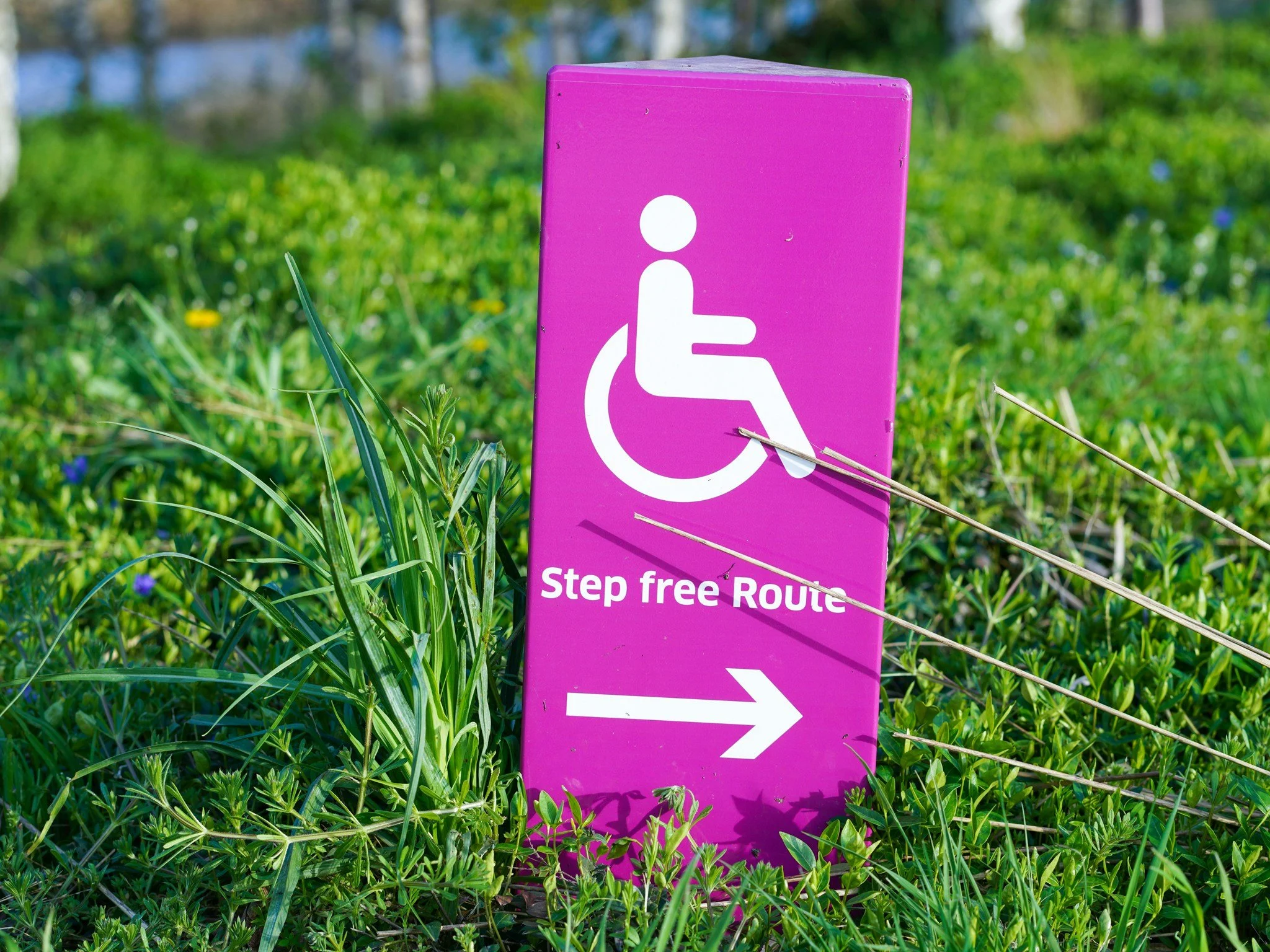
You passed the building code. You are still not accessible.
An apartment advertised as accessible that a wheelchair user cannot enter. A gym where every machine assumes you can stand. A hotel with a step at the door of its "accessible" room. A bus ramp that does not deploy.
These are not rare failures. They are everyday reality across Canada. And they happen because most businesses were designed by people who never had to think about barriers.
Here is what most business owners do not know. The Ontario Human Rights Commission has been clear that the Human Rights Code takes precedence over the Building Code and that meeting the Building Code is not a defence against a discrimination complaint. The Commission has said in its own words that many businesses, including large and sophisticated ones, wrongly believe that passing the Building Code means they have met all of their legal obligations.
That is the barrier-free myth. It is not that businesses do not care. It is that they think they are done.

Who this is for, and what you will leave with
Built for clinics, hotels, gyms, restaurants, retail, and any business with a front door and customers.
In 2022, 27% of Canadians aged 15 and over reported a disability, roughly 8 million people, up from 22% in 2017. Nearly three quarters of them hit an accessibility barrier last year. Most businesses have no idea they are part of that number.
In one hour you will learn what barrier-free actually means, see where businesses like yours are failing without knowing it, and run a seven-question self-check on your own business during the session. Most people find problems in the first three.
You will also leave with several fixes that cost nothing and a clear sense of what genuinely needs professional help.

Meet the Presenter
Kawsar Mohamed
Kawsar is the founder of the KM Accessibility Consulting Firm. She has spent her career in accessibility, workplace accommodation, and disability management, working with the policy and legislation that governs it, including the Canadian Human Rights Act, the Employment Equity Act, and the Accessible Canada Act. She holds an Honours BA in Law from Carleton University and is completing an MBA at Carleton's Sprott School of Business.
She is also a wheelchair user.
Most accessibility consultants have read the standard. Kawsar has booked the accessible room and found the step at the door.
Free Webinar Form
Live captioning provided. A captioned recording goes to everyone who registers. Need an accommodation to take part? Email contact@kmacf.ca.